
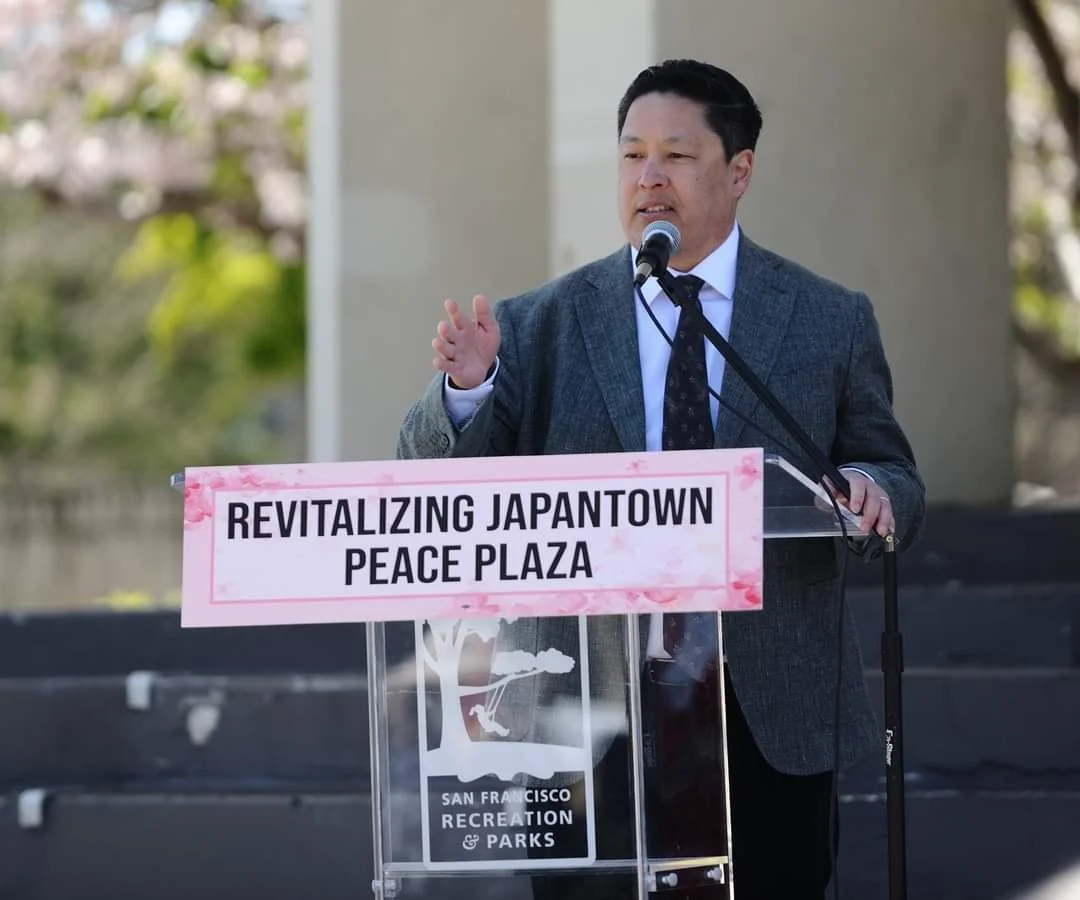
Jon co-chairs Peace Plaza renovation
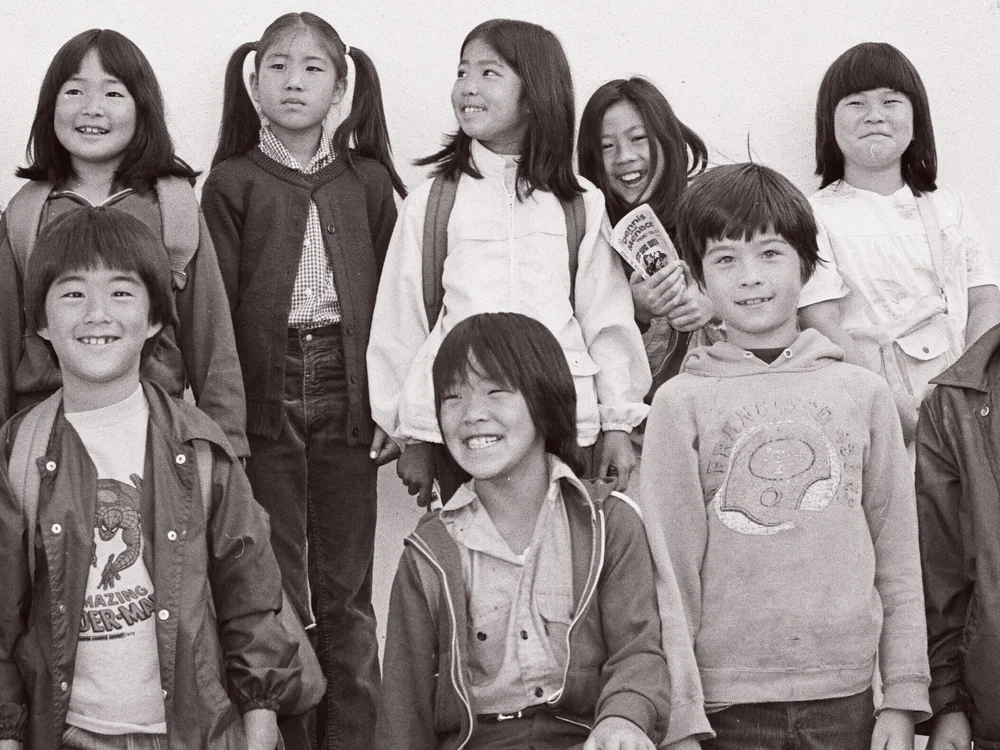
In 1973, when 5-year-old Jon Osaki first walked into JCYC’s daycamp, his future was set in motion. He came back to the JCYC every summer until middle school, learning to appreciate culture and enjoying being part of a larger community. As a teen looking for his first summer job, he was encouraged by then-Executive Director Jeff Mori to become a daycamp counselor. “Until that moment I had never thought about working with kids,” Jon says. “Almost instantly something about working young people felt right.”
After high school, Jon began managing JCYC’s summer and afterschool programs, and later with a college degree in business from SF State, he expected to move on to the private sector. But he was offered a position running a new youth employment program and Jon chose to stay with the organization.
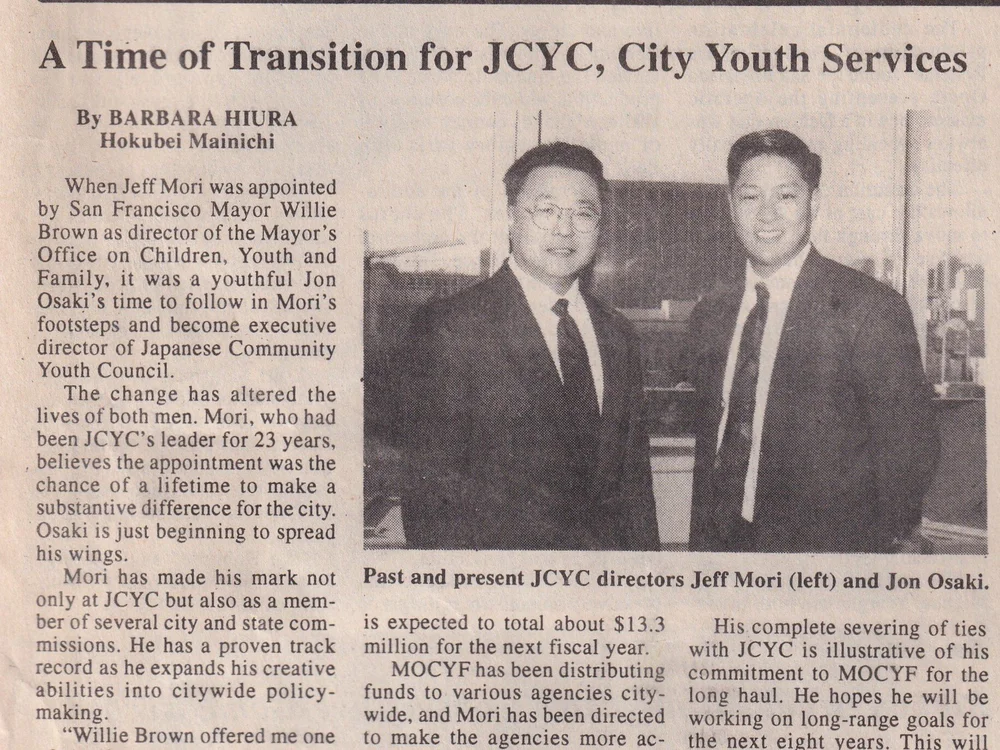
Then in 1996 came the biggest opportunity of all. JCYC’s Executive Director Jeff Mori was appointed to run the Mayor's Office of Children and Youth and saw 29-year-old Jon Osaki as a possible successor. “JCYC's board of directors, with some encouragement from Jeff, decided to take a chance on me,” Jon recalls. “It was incredibly intimidating to take over for a predecessor who had run the organization for over two decades.”
Now in 2026, Jon’s leadership spans three decades, during which JCYC has grown from an organization with an annual budget of $4 million to $22 million. Over the past 30 years, JCYC has expanded its programs to serve over 7,000 youth a year and over 110 staff members.
In celebration of 30 years of advocacy, weathering difficult times and championing opportunities for youth, Jon reflects on his role as a leader and his hopes for JCYC’s ongoing legacy.
Q: Looking back on your three decades of leadership, what accomplishments are you most proud of?
A: I'm proud of every child who developed a solid foundation for learning through our preschools. Likewise for every child and youth who has a deeper connection with the community because of our programs. I'm proud of the tens of thousands of youth who received a paycheck from JCYC and have gone on to pursue productive careers. Last but not least, I'm proud of the tens of thousands of low-income students for whom we've made a college education a reality.
Q: How has your role as Executive Director played a part in building community and connection in Japantown, San Francisco, and the greater Bay Area?
A: JCYC was established by members of a group called the Third World Liberation Front (TWLF) and was an outcome of the Ethnic Studies movement. Because our origins grew out of a multi-ethnic movement, JCYC has always maintained a unique role within Japantown and the rest of the city. Our approach of inclusion allowed us to grow beyond J-Town and ultimately become a service provider for the entire city.
I am incredibly proud that we bring resources into the Black, Latinx and many other Asian communities in San Francisco. We also house one of our childcare centers in the Booker T. Washington Community Service Center, the oldest nonprofit in the city dedicated to serving the Black community. As a living remnant of the TWLF, I believe JCYC is an important example of cross-racial solidarity and the power that can be built when communities work with and for each other.
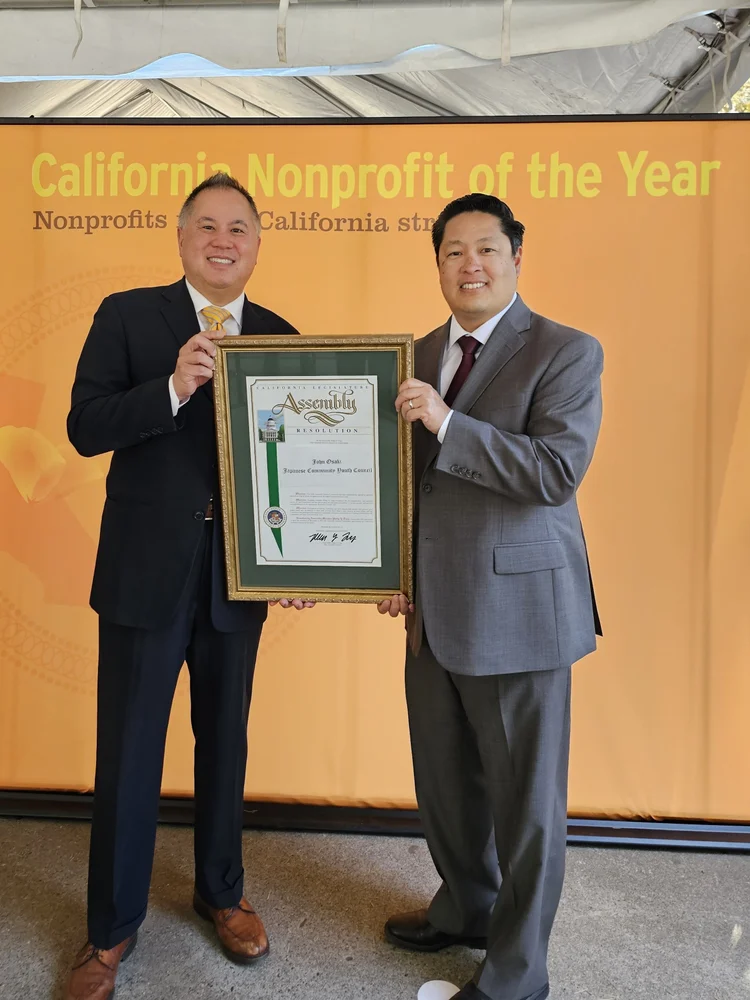
Q: What continues to inspire you to lead your organization particularly through the recent challenges?
A: We've worked extremely hard to do things the right way and prided ourselves in being good stewards of the funds we receive. However, no matter how strong your track record, an organization can still find itself being portrayed in a negative light. That's just a reality for non-profits right now.
What I will say is that we have always based our actions on what is in the best interest of the children and youth we serve. I'm not going to claim we're perfect, but I have zero regrets for doing everything possible to take care of the young people in our programs.
Q: What has been the most surprising or unexpected aspect of the job?
A: I would probably have to say the fact that I've been leading this organization for three decades and still love it. The sound of kids playing, hearing stories of youth who have overcome incredible barriers in their lives and running into alumni who share how much our programs impacted their life never gets old to me.
Q: What do you hope to see the JCYC continue to do in the future?
A: My hope for JCYC is to always serve as an example of what's possible. Regardless of what the future holds, I hope JCYC will always stand up and speak out for young people and what they need and want from the community. I hope the legacy of JCYC will always be to maintain the space for young people to find their voice and realize their power to change the world.
